OUR STORY · A LETTER FROM THE FOUNDER
Why I Created SomniSense
A Story About Sleep, Health, and the People We Love
A few years ago, my life looked happy from the outside — a loving family, two daughters, a career I was proud of. Beneath that, my sleep was quietly breaking everything. This is what I learned, and why I built SomniSense.
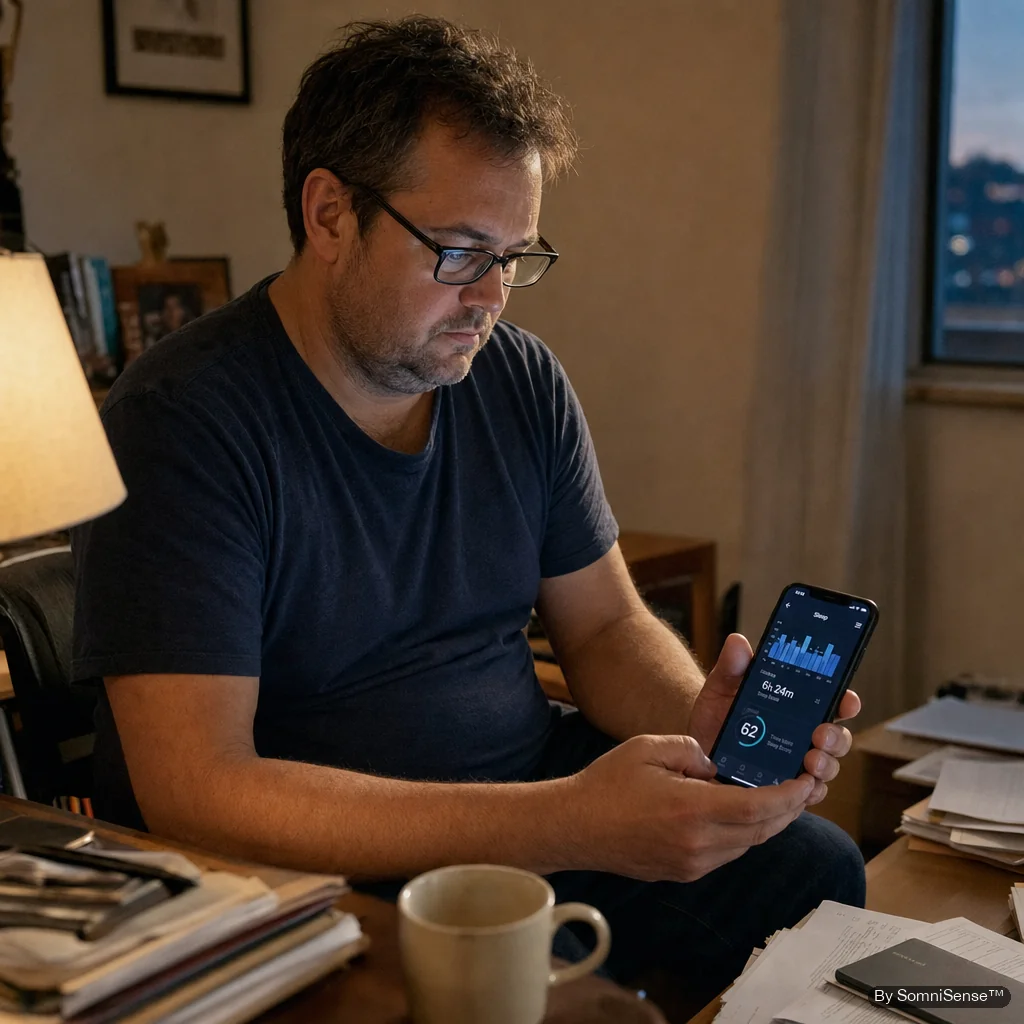
"How well do you sleep? How well do the people you love sleep?"
This seemingly simple question holds more weight than most of us realize. Many of us would say our sleep is "fine." But sleep problems can affect not only our own health and daily life, but also the people who care about us.
I'm the founder of SomniSense — a husband, a father of two, and an engineer. This is a story about sleep, about health, and about love.
My Story: From Snoring to Sleep-Disordered Breathing
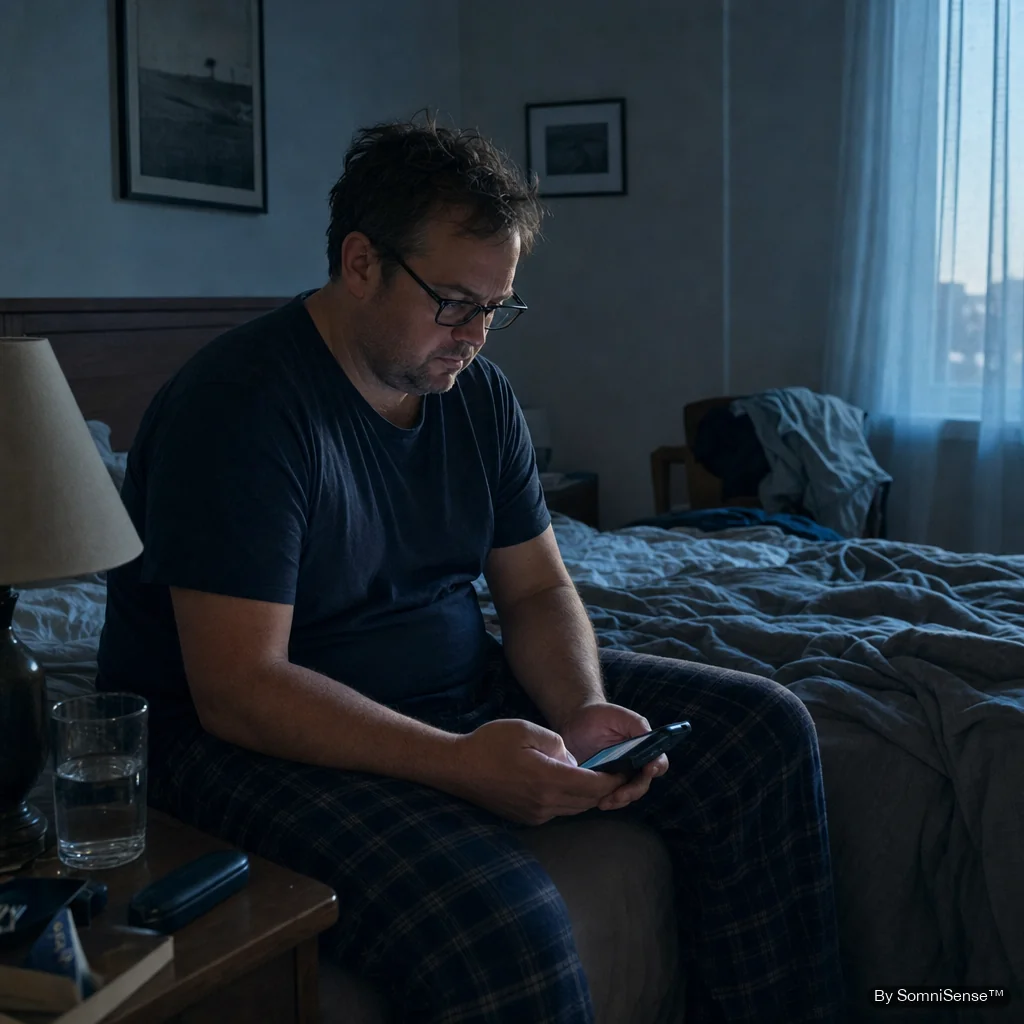
A few years ago, my life looked peaceful. I had a loving wife, two beautiful daughters, and work I was proud of. But a health issue I had taken for granted was quietly threatening all of it.
I had snored heavily since I was young. My wife eventually moved to the guest room — not because she didn't love me, but because my snoring was so loud she couldn't sleep through it. We laughed about it sometimes. "Only good sleepers snore," we joked.
It wasn't a joke.
Over time, the signs started to add up:
- Every morning, I woke up exhausted — dizzy, foggy, like I'd fought a battle in my sleep. Coffee stopped helping.
- At work, I couldn't concentrate. I forgot small things. Once I forgot to buy a birthday gift for my younger daughter. She didn't say anything. I noticed.
- In the middle of the night, I would jolt awake, gasping, like I had just been pulled out of water. I never remembered why.
- My patience evaporated. I caught myself snapping at my daughters over nothing. My wife said, gently: "You've been angry for no reason lately. I think you're too tired."
I told myself it was work stress. Or getting older. Or both.
Then one morning, I overheard my older daughter whisper to her mom:
"Does Daddy not love us anymore? He always seems unhappy..."
That sentence broke me open. No matter how I tried to hide what was happening to me, my health was reaching the people I loved most.
The Truth: It Wasn't Just Snoring
I scheduled a sleep study. The results stopped me cold:
- My snoring wasn't a sign of "sleeping well." It was sleep-disordered breathing, with an AHI of 23.9 — moderate range.
- Almost 24 scored breathing events per hour in the clinical report. This was a PSG result, not something my phone could establish.
- The doctor explained that the clinical result deserved follow-up and appropriate care.
I was stunned. But what shocked me more was this:
It had been there all along, and I never knew.
These weren't symptoms of "getting older." They were warning signs of a real condition that had been quietly degrading my life and the lives of the people who shared a home with me.
Sleep Touches Everyone You Love
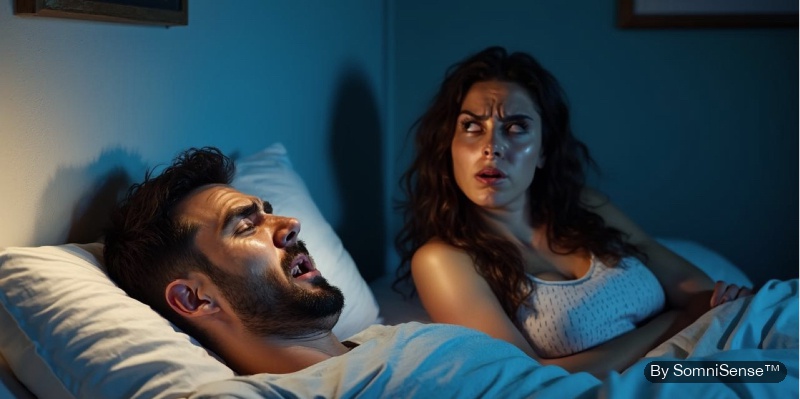
When I told my wife the results, her response taught me more than the diagnosis:
"I've been worried about your health for a long time. But you always said you were fine. You're the one our family relies on. Please take care of yourself."
I realized then that my sleep wasn't just my problem. My wife had been losing sleep for years because of mine — quite literally moving out of our bedroom to cope. My daughters had learned to walk softly in the morning so I could rest a little longer on weekends.
Sleep problems ripple outward. They reach the people sleeping next to us, and the people who watch us be tired the next day:
- Do your parents snore loudly? Persistent loud snoring can be worth discussing with a qualified clinician.
- Does your partner wake with headaches but brush them off?
- Does a friend always seem drained, and never quite know why?
These symptoms are not specific to one condition, but persistent or concerning patterns deserve attention.
What I Wished Existed
As an engineer, my instinct is to solve problems with tools. But when I looked for tools to help with my sleep, none of them fit:
- Clinical sleep testing answers clinical questions with physiological measurements and professional interpretation. It has a different job from a repeatable phone-audio wellness record at home.
- Wearables use different sensors and product definitions. Their measurements are not interchangeable with phone-audio observations or clinical sleep testing.
- Many sleep apps focus on other jobs, such as relaxation audio or estimated sleep stages, rather than a reviewable acoustic record.
Ordinary nights can vary. I wanted a way to keep repeated acoustic observations over time without assigning the cause or confusing that record with clinical testing.
I wanted a tool that:
- Would work without buying anything new — just my phone, on the nightstand.
- Would organize snoring observations and candidate breathing-pattern regions, without calling them a diagnosis.
- Would let me review available local audio around selected candidate regions.
- Would help me compare repeated observations, day by day, and share them as optional background when useful.
Nothing did all of this. So I started building it.
SomniSense: The Tool I Wish I'd Had Sooner
SomniSense is a phone-audio sleep wellness app. You can start with the phone beside your bed, without a wearable or clinic visit, and the Free plan does not require a subscription.
What it does:
- 🤖 Uses on-device AI to analyze overnight audio. Raw overnight audio is not uploaded to the cloud; locally available audio is shared only when you choose to share it.
- 🔊 Organizes snoring and breathing-pattern observations — shows model-estimated candidate regions in whole-night context.
- ▶ Lets you review available local audio — inspect what the microphone captured around selected candidate regions.
- 📈 Shows recent 7-day and Pro 30/90-day views — so you can see repeated observations, not just one anxious morning.
- 🧪 Tags context you choose — such as a routine, position, or device-use night — and compares tagged and untagged observations without claiming cause or treatment effect.
- 📬 Creates a structured report — a longer-period English wellness summary you can save, print, or share. Its physical length varies with content; it is not a clinical sleep report.
This isn't a replacement for a doctor. It is a way to bring organized microphone-based observations and more specific questions; a clinician decides what they mean medically.
Benchmarked against PSG-labeled data from 80 person-nights / 40 participants: the 1-second snore-segment task reached 91.67% sensitivity / 89.01% precision (five-seed means), while the production 200-second breathing-window model reached 88.49% accuracy. These results do not validate personal-night BRI, event boundaries, or diagnosis. Full methodology at /accuracy, and the research program at /research.
For Yourself, and For the People You Love
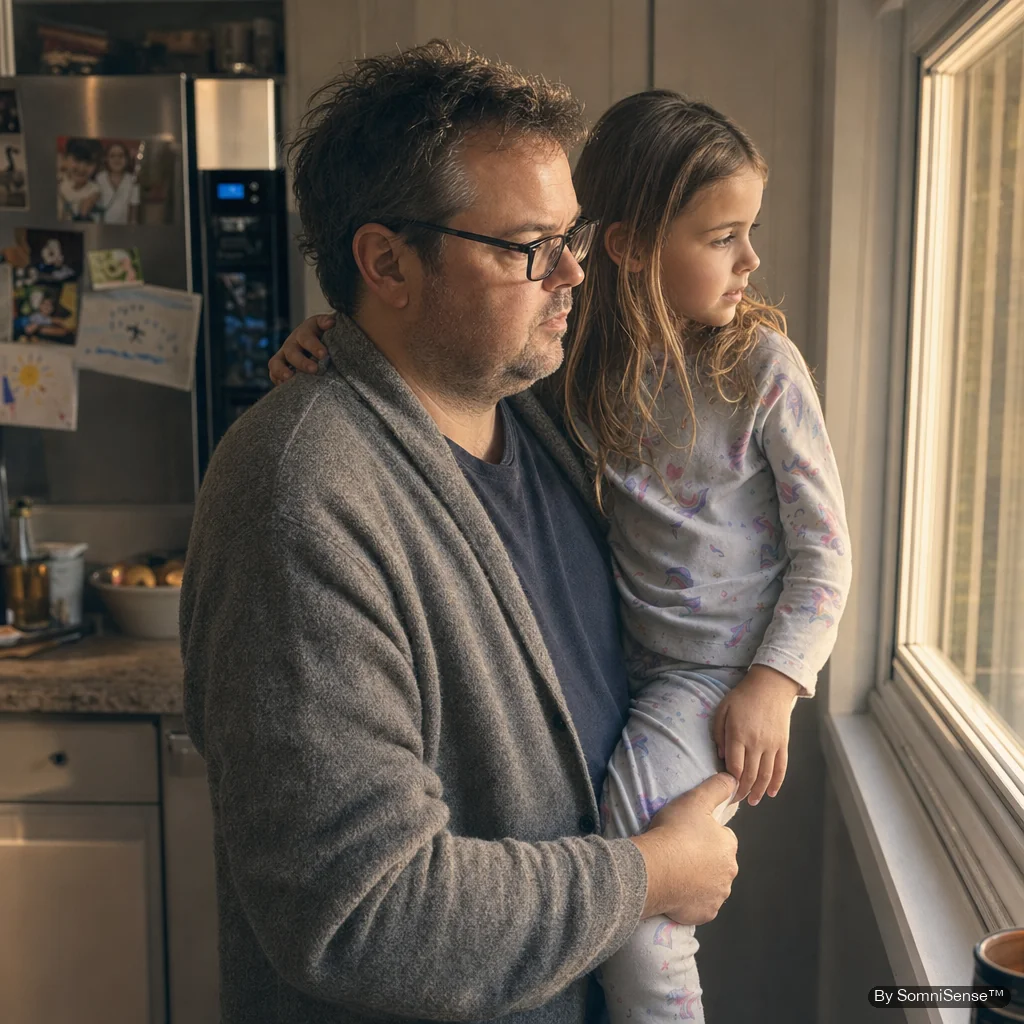
SomniSense is more than a tool. For me, it became a kind of bridge — between the way I had been living, and the way I wanted to be there for my family.
When you use it, I hope it does the same for you:
- If your parents snore heavily, encourage them to discuss persistent or concerning symptoms with a qualified clinician.
- If your partner wakes gasping or with headaches, do not let a low app reading dismiss the symptom. Professional evaluation comes first.
- If a friend is persistently drained, suggest keeping clear symptom notes and seeking appropriate professional guidance.
Because health isn't only about you. It's also about the people who love you and need you well.
Starting Today, We Protect the Sleep We've Been Ignoring
Using an early prototype gave me a repeatable way to organize candidate phone-audio observations while I followed clinical guidance and made personal changes. That record could not establish which change—if any—caused an outcome.
That experience is what made me want to build a clearer record for other people.
We're a small team, and we read the service inbox ourselves. We are not trying to replace doctors. SomniSense can keep candidate phone-audio observations, selected local audio, and a structured wellness summary together as optional background. A clinician decides whether and how that context is useful.
The Reason I Couldn't Wait
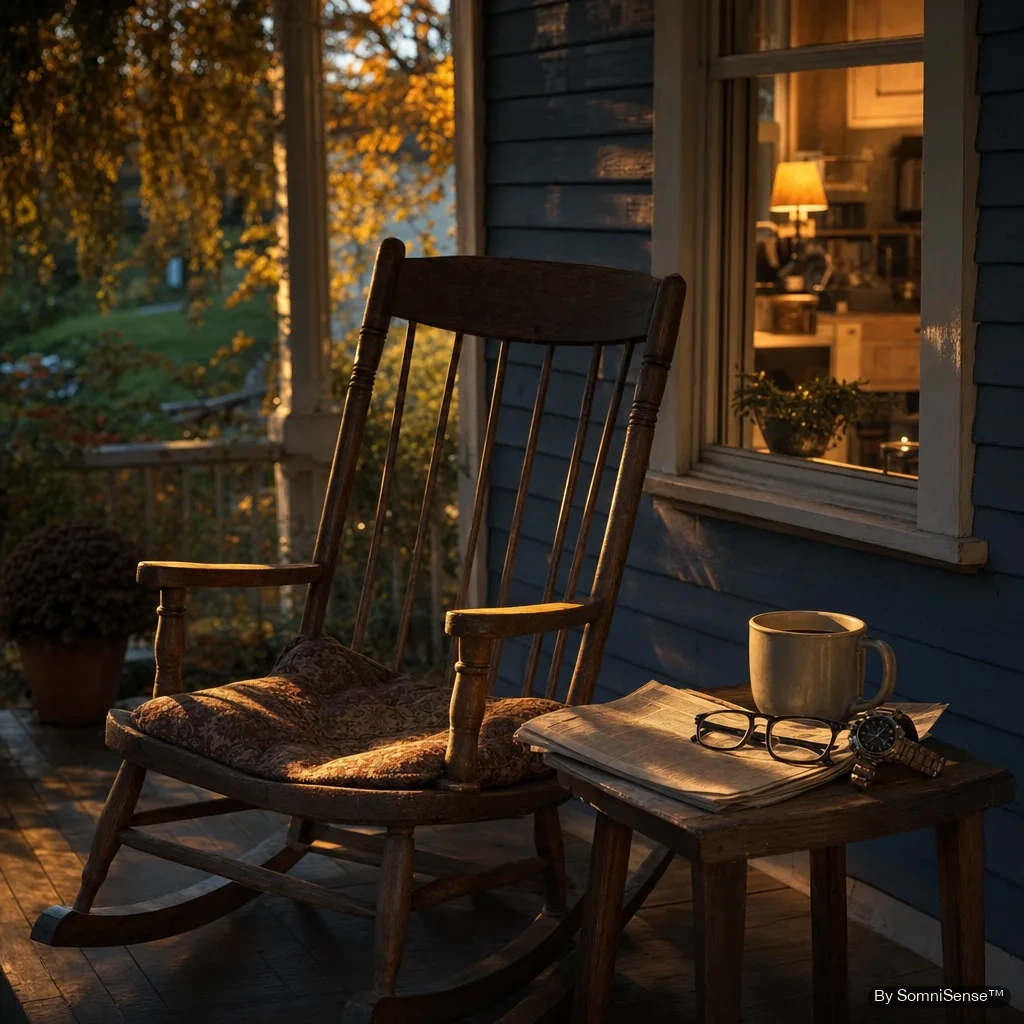
My father snored for as long as I knew him. He smoked a pack a day, drank a couple of nights a week, and the snoring was loud enough that my mother eventually slept in the next room — same story I'd later live myself, decades later.
He passed at 60. The cause on the certificate was cancer. By his late 50s he was often tired and foggy, but those memories cannot establish a medical explanation in hindsight.
I'll never know what a clearer sleep record might have changed, and I do not claim that it would have changed his outcome.
What I do know is that the tool I'm shipping now is the tool I would have wanted to give him at 50. He didn't have it. Maybe your dad does. Maybe you do. That's why this isn't just an app to me.
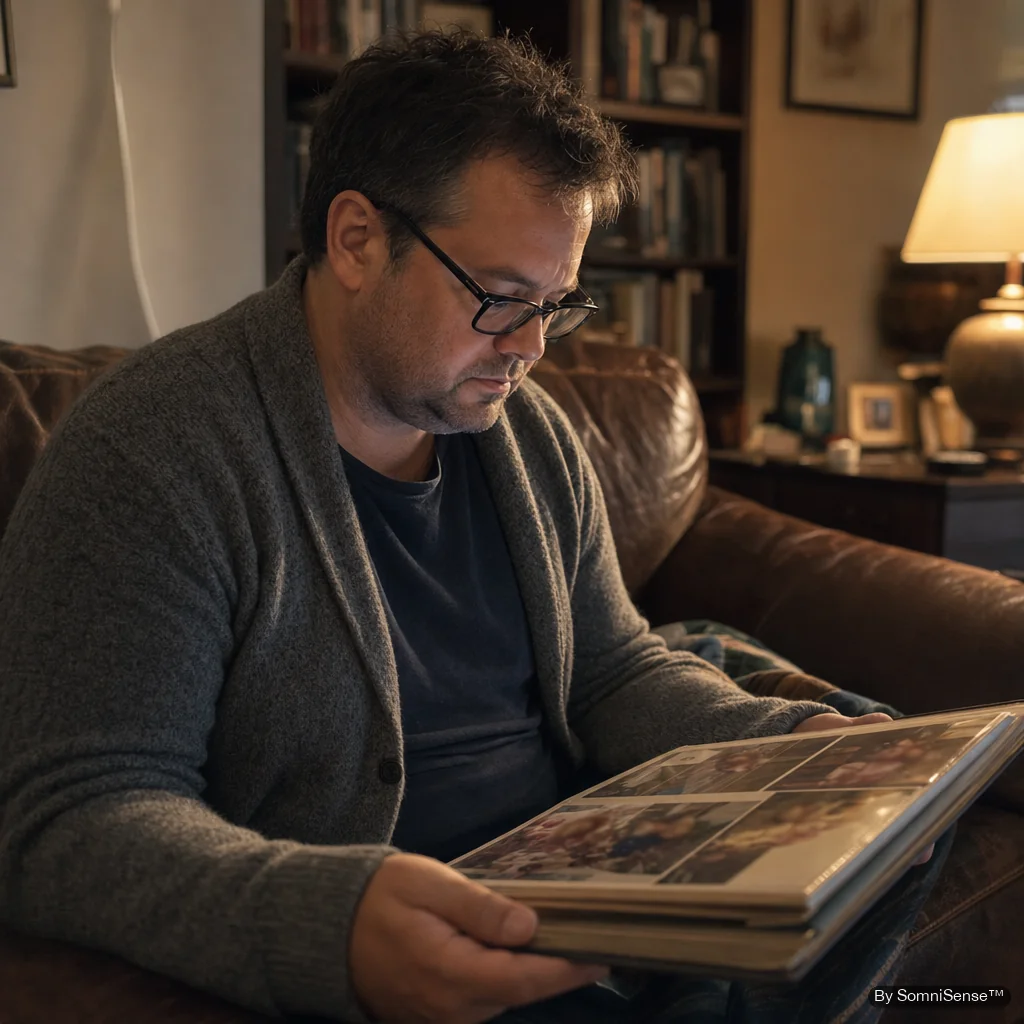
"Better Nights, Healthier Days."
This is why we built the product; it is not a medical or outcome guarantee.
— SomniSense
Start your first night.
Start with Free first-night evidence, local playback within the app limits, and a recent 7-day trend. Purchase details stay in the app stores and Pricing.
SomniSense is a wellness tracking tool. It is not a medical device and does not diagnose obstructive sleep apnea (OSA) or any other condition. If you have concerns about your sleep, please consult a licensed clinician.