WITH · OBSERVATIONAL TAG COMPARISON
Compare nasal-spray-tagged and untagged nights.
SomniSense shows the observed difference and sample sizes between tagged groups. It does not recommend a spray or determine safety, efficacy, or cause.
If you and a qualified professional have decided a spray is appropriate, tag those nights and compare them with untagged nights. The app organizes acoustic observations; it does not assess the product or replace professional advice.
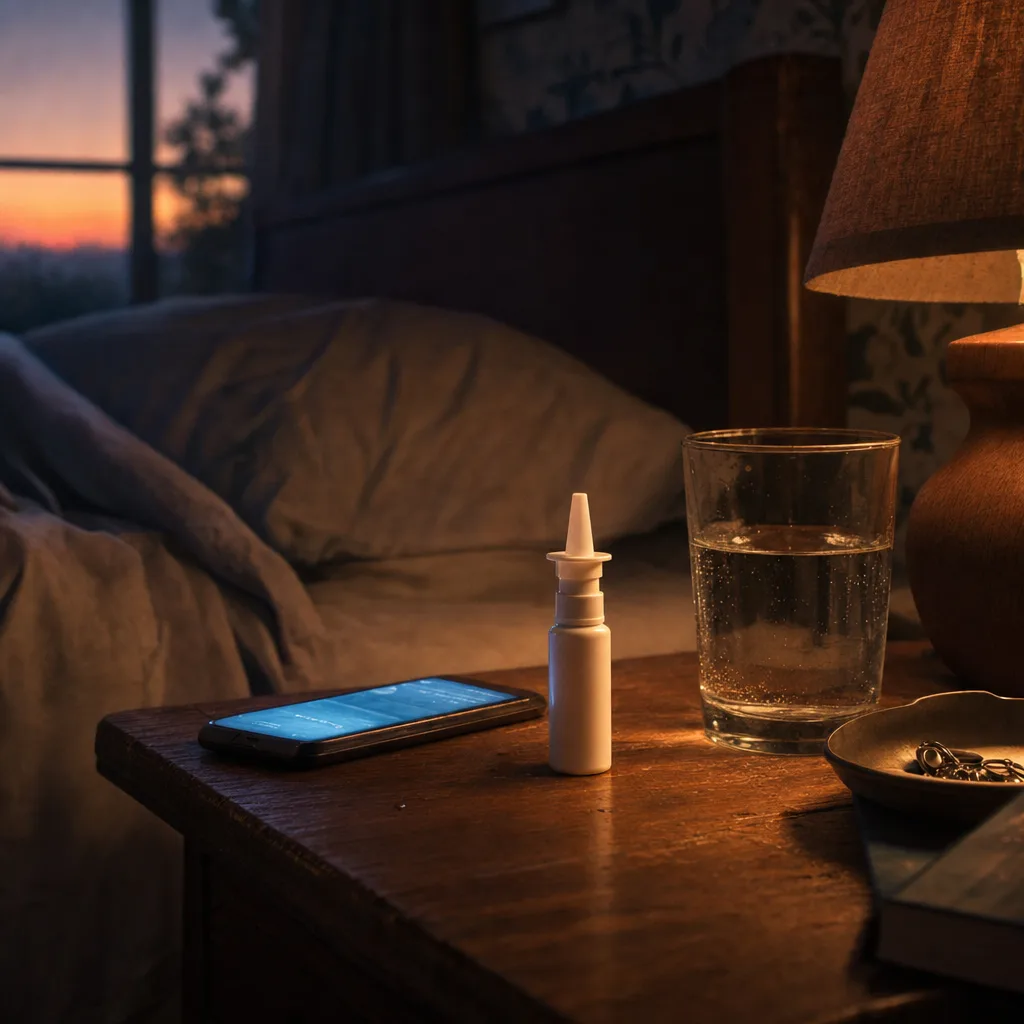
Separate the product tag from the conclusion.
A spray tag records that the product was used; it does not encode the dose, adherence, indication, or other differences between nights. SomniSense does not assess any of those factors.
The useful output is a bounded comparison: the observed acoustic averages and sample sizes for tagged and untagged groups, with normal variation and other explanations left open.
How to compare existing spray-tagged nights
- Review existing tagged and untagged nights. An untagged night is missing that label; it does not prove the product was not used. Do not alter product use to create a comparison.
- Tag nights when you used the prescribed or chosen product. Follow its directions and professional guidance; do not change use to build an app comparison.
- Compare groups, not one night. More comparable nights add context, but do not establish efficacy.
- Interpret cautiously. A difference or no difference may reflect many factors beyond the spray tag.
We don't sell or score the spray.
SomniSense does not make sprays or take affiliate revenue from them. It organizes observations around your tags; it does not validate the product or establish efficacy.
Keep the record for observation rather than a reason to try another product. SomniSense cannot recommend a spray or tell you to continue, stop or change its use.
Free includes candidate evidence and local playback within the app limits. Pro adds unlimited playback, longer views, factor comparison, and the fuller structured report.
Read next
Common questions
- Can SomniSense tell me whether a nasal spray worked?
- No. It can compare acoustic observations from spray-tagged and untagged nights, with sample sizes. That personal comparison does not establish safety, efficacy, or cause.
- Are all nasal sprays interchangeable?
- No. Products can have different ingredients, purposes, directions, and risks. Follow the label and professional guidance; this page does not recommend a product or dosing plan.
- My clinician suggested a nasal spray. What can SomniSense add?
- If you and a qualified professional have decided it is appropriate, SomniSense can preserve a separate phone-audio record across tagged and untagged nights. It cannot evaluate the treatment.
- How should I compare the nights?
- Keep the phone setup similar, use the tag consistently, attach sample sizes, and describe any group difference as an observation rather than proof of effect.